“`html
The Cultural Significances of Woodcraft in Different Societies
Woodcraft holds profound cultural value across the globe, intertwining art, tradition, and identity in a unique expression of human creativity. This blog post delves into the varied cultural significances of woodcraft, exploring multicultural tools, techniques, heritage, symbolism, and the beauty of diversity they embody. We will examine how different societies have infused their cultural identities into woodcarving, the interplay of innovation and tradition, and the preservation of age-old techniques. Through this exploration, we celebrate the diversity in woodcarving artifacts and the rich stories they tell.
Post navigation
Share this:
Understanding wood carving
Wood carving has been a vital form of expression, showcasing the artistic prowess and cultural identity of societies around the world. It involves delicate craftsmanship to create intricate designs, reflecting both functional and spiritual aspects of life. As one of the oldest forms of art, woodcraft has evolved but continues to be an integral cultural tradition.
From religious iconography to daily utilities, wood carving has influenced various cultural, social, and economic facets in diverse societies. Traditional woodcarving can often tell a story, symbolize beliefs, or convey the wealth and status of its owner or creator. This rich history forms the backbone of what we now celebrate within multicultural woodcraft traditions.
Exploring multicultural wood carving tools
Different societies boast their unique arsenal of carving tools. In African cultures, tools such as adzes and chisels are frequently crafted from indigenous materials and are often revered as much as the wood art itself. Similarly, Asian cultures use intricate knives and gouges to achieve delicate, precise carvings, celebrating both functionality and aesthetic appeal.
The variation in tools reflects the adaptation to local materials and the specific cultural needs of each society. In indigenous North American tribes, for example, wooden implements are tailored for totem pole carving, showcasing both the utilitarian and spiritual applications of woodcraft tools. This diversity enriches the overall narrative of multicultural woodcraft.
Multicultural wood carving techniques
Techniques differ vastly across cultures, with each method carrying its own historical and cultural significance. In Scandinavian countries, the technique of chip carving serves both functional and decorative purposes, indicating a blend of style and pragmatism. Intricate patterns tell stories or symbolize cultural beliefs, making each piece an artistic narrative.
On the other hand, traditional Japanese woodblock carving emphasizes precision and patience, resulting in visually stunning yet understated art. The differences in technique reflect each society’s approach to craftsmanship; while some prioritize ornate detail, others value the simplicity and functionality of the pieces created.
The rich heritage of wood carving
The history of wood carving is deeply woven into the cultural fabric of societies worldwide. Ancient Egypt’s wooden artifacts, for example, date back thousands of years and offer insight into daily life, beliefs, and the social hierarchy of the time. Likewise, European gothic carvings depict religious narratives, intertwining art with spirituality.
In Native American societies, woodcarving is more than an art form – it is a sacred practice that preserves the stories of ancestors and conveys spiritual connections. The rich heritage found in woodcarving traditions underscores their pivotal role in preserving cultural history and identity.
Cultural significance in wood carving
Wood carving extends beyond aesthetics, playing an essential role in cultural identity formation and expression. For many societies, woodcraft serves as a conduit for cultural ideology, spiritual beliefs, and societal values. The intricacies of each culture’s woodcraft illuminate their historical contexts and evolving customs.
From Pacific islands utilizing carving to record genealogy and folklore, to African communities conveying spiritual and historical narratives, the cultural significance embedded in woodcarving is profound. It not only reflects the society’s creativity but also its resilience and continuity.
Cultural symbolism in multicultural wood carving
Many societies imbue woodcraft with deep symbolic meanings. In Celtic traditions, knots and spirals carved into wooden artifacts represent eternity and interconnectedness. Meanwhile, Polynesian cultures use tiki statues to symbolize protection and convey reverence for ancestors.
The symbolism in woodcarving bridges the tangible with the intangible, offering insights into the metaphysical landscapes of cultures. These symbols, steeped in tradition, not only decorate but also tell potent stories of faith, power, and community.
Tools and techniques: a fusion of cultures
Globalization has brought about a rich fusion of woodcarving tools and techniques. As cultures interact and influence one another, the exchange of carving methods has evolved new styles and expressions. This cross-cultural interaction fosters creativity and offers fresh interpretations while preserving traditional roots.
Carvers may blend tools from different regions, incorporating the precision of Japanese chisels with the robustness of African adzes, leading to innovative, culturally rich pieces that showcase the beauty of diversity and the interconnectedness of global craftsmanship.
Preserving traditional techniques
Despite modernization, preserving traditional wood carving techniques holds paramount importance. They offer a glimpse into the past, providing a tangible connection to ancestral knowledge and cultural wisdom. Efforts in many societies to document and teach these techniques to younger generations preserve cultural heritage.
The revival of interest in traditional methods, along with embracing modern technology, allows woodcraft to remain relevant and respected. Workshops, apprenticeships, and cultural programs worldwide strive to protect and revitalize these age-old techniques for future appreciation.
The beauty of cultural exchange
Cultural exchange through wood carving broadens understanding and fosters respect among different societies. As artisans learn from one another and share practices, a deeper appreciation for each other’s cultural artistry is cultivated. This exchange nurtures a sense of global community and cooperative innovation.
When different traditions intersect, new possibilities emerge, enriching the global landscape of woodcraft. This shared knowledge not only advances the art form but also builds bridges across cultural divides, celebrating human creativity’s limitless potential.
Celebrating diversity in wood carving artifacts
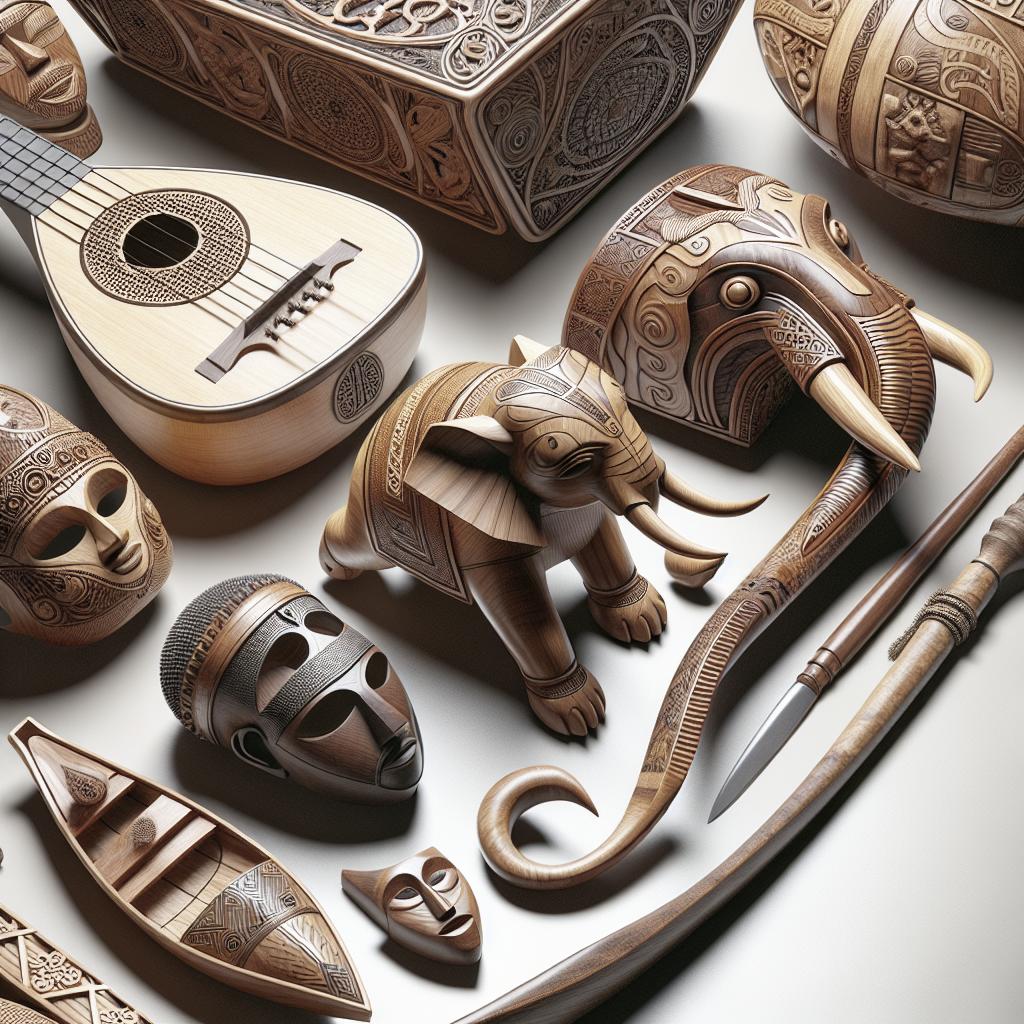
Artifacts from diverse cultural backgrounds celebrate the multitude of human expression. A wooden mask from West Africa, a totem pole from the Pacific Northwest, or a Haniwa statue from ancient Japan, each speaks volumes of its origin’s cultural nuances.
Woodcarving embodies the beauty of diversity by amalgamating differences and creating art that resonates universally. It stands as a testament to the ingenuity and cultural wealth that resides in human societies, underscoring the importance of preserving and celebrating these diverse traditions.
Frequently Asked Questions (FAQs)
What is the significance of woodcarving in different cultures?
Woodcarving holds significance in numerous cultures as a means of expressing cultural identity, spiritual beliefs, and societal values. It serves as both an art form and a storytelling medium that preserves historical narratives.
How do woodcarving tools vary across cultures?
Woodcarving tools vary based on available materials and cultural needs. Different cultures incorporate specialized instruments such as chisels, adzes, and knives, which reflect both functional requirements and artistic preferences.
What efforts are made to preserve traditional woodcarving techniques?
Efforts to preserve traditional woodcarving techniques include workshops, cultural programs, and apprenticeships that document and teach age-old practices to new generations, ensuring continued appreciation and practice.
“`