“`html
The Aesthetics of Combining Wood with Other Natural Materials
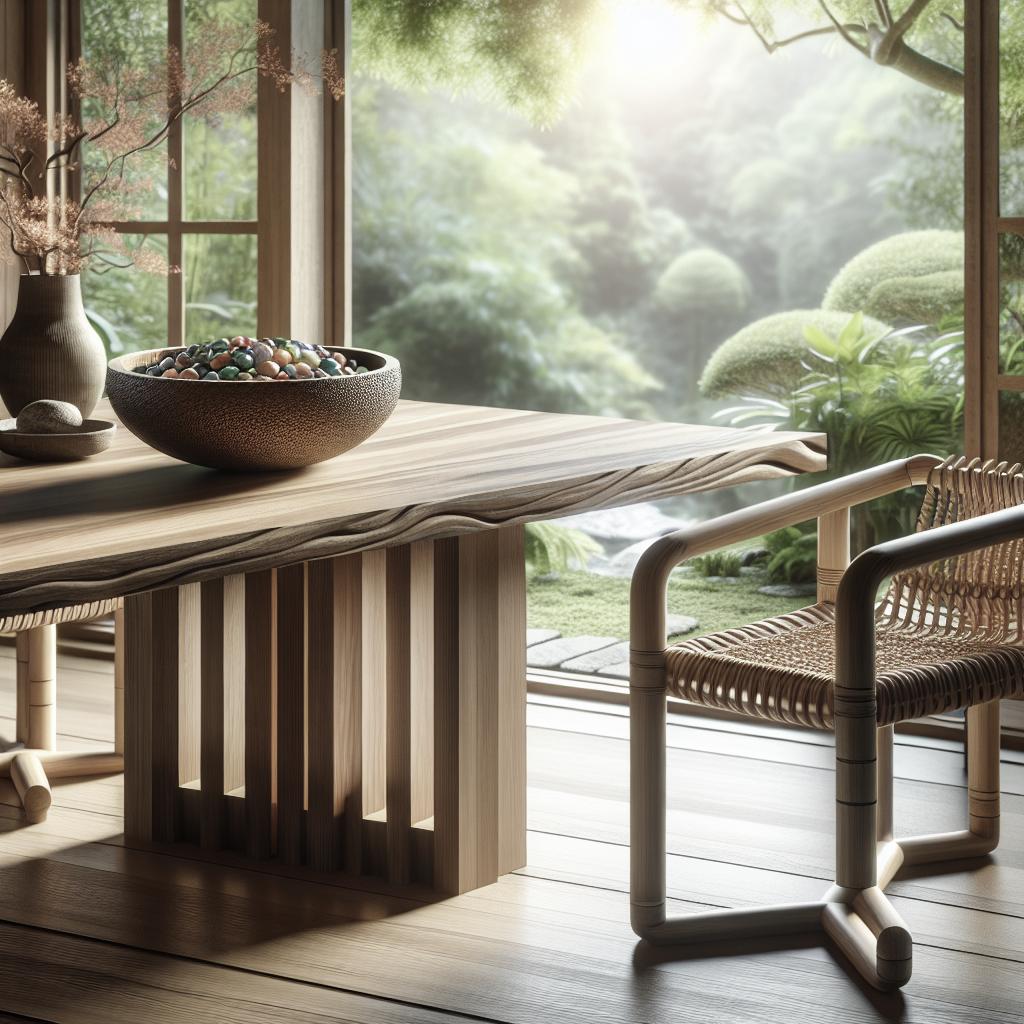
When it comes to interior design, the combination of wood with other natural materials can create a rich tapestry of textures and colors that add warmth and depth to any space. Understanding wood tones, grain patterns, and how to effectively mix different wood species is crucial for achieving visual cohesion. Furthermore, practical considerations such as durability, maintenance, and sustainability play a significant role in the successful integration of these materials. In this article, we delve into the essentials of mixing natural materials with wood, providing strategies for aesthetic harmony and addressing practical concerns. By striking a balance between these factors, you can create an environment that not only looks beautiful but also stands the test of time.
Essential Elements for Successful Mixing
— Wood Tones and Undertones
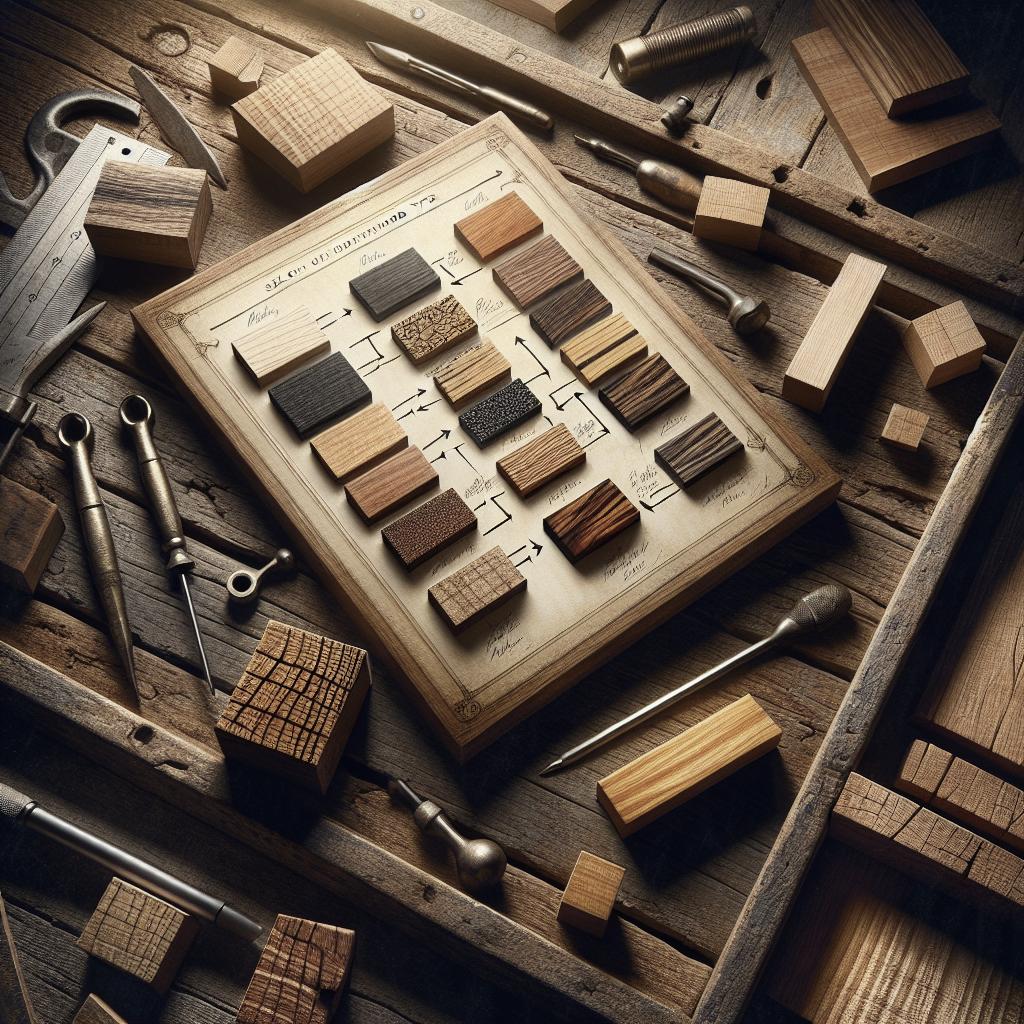
Wood tones refer to the surface color of a piece of wood, ranging from light blonde hues to rich, dark browns. Understanding the tones and undertones of wood is vital as they can dramatically affect the ambiance of a room. Undertones, the subtle hints of color beneath the primary tone, can be categorized into warm, cool, or neutral. For example, oak and pine often have warm undertones, while ash and maple are typically cooler.
Successfully combining woods requires a keen eye for these undertones. Warm undertones couple harmoniously with other warm materials like copper or terracotta, while cool tones can pair elegantly with stones like marble or slate. Recognizing these subtleties helps guide your palette, ensuring that your selections enhance rather than clash with each other.
— Grain Patterns
Grain patterns can add a unique element of texture and visual interest to your design. Some wood grains are bold and pronounced like oak’s, providing a strong visual presence. Others, like cherry or walnut, are more subtle and smoother, lending themselves well to minimalist or modern aesthetics.
Consider the scale and direction of the grain when mixing woods and pairing them with other natural materials. A pronounced grain might become a focal point when paired with solid, muted stones or textiles, whereas softer grains can complement more intricate materials like patterned tiles or richly textured fabrics. This balance of grain patterns allows each material to maintain its own identity while contributing to a harmonious design.
Strategies for Mixing Wood Species Effectively
— Limit Wood Tones
Limiting the number of wood tones in a space can prevent visual overwhelm and chaos. Generally, two to three wood tones should be enough to create an interesting yet cohesive look. Within this selection, aim for a dominant tone to anchor the room and allow the secondary tones to complement or accentuate key features.
When mixing these tones, pay attention to the balance. For instance, a room dominated by dark wood tones might benefit from a lighter wood accent to draw attention to architectural details or focal furniture pieces. This approach ensures the room feels balanced and inviting.
— Harmony in Undertones
Harmonizing undertones is crucial for creating a unified look. Mixing warm and cool undertones can be tricky, often resulting in a disjointed appearance. Instead, focus on blending woods and materials that share similar undertones for a seamless aesthetic.
For example, linking warm wood undertones with richly textured fabrics in similar hues creates an inviting and cohesive space. If you desire to mix undertones, consider adding a neutral element to bridge the gap, such as a white-painted wall or gray stone, which can help in softening the contrasts.
— Contrast for Visual Interest
Introducing contrast into a design can elevate the visual impact and create focal points within a space. Contrast can be achieved through combining light and dark woods or introducing an unexpected material like a dark stone against a light wood grain.
This contrast should be deliberate and not overdone to avoid disruption in the visual flow. For instance, a light oak floor might pair beautifully with a dark walnut table, each drawing the eye and adding depth without clashing. Emphasizing one contrasting element keeps the room dynamic yet balanced.
— Utilize Grain Patterns
Capitalizing on grain patterns is another effective strategy when mixing woods. Align grains so they flow in a coherent manner or intentionally juxtapose different grains to highlight areas of interest.
For instance, a bold grain pattern could be used in a statement piece like a dining table, with subtler grains relegated to cabinetry or flooring. Complementary grains can enhance the natural beauty of wood while adding layers of texture and dimension to the overall design.
— Consistent Finishes
Consistency in finishes, whether matte, glossy, or distressed, can unify a diverse mix of woods and natural materials. This helps maintain a sense of cohesion even when the tones and patterns differ significantly.
Selecting a common finish across various elements, such as the same type of wood oil or polish, can provide a visual link that ties the space together. It makes different materials appear more intentional and ensures the design feels unified and well-considered.
— Repetition for Cohesion
Repetition is a powerful tool in design that can bring a sense of order and harmony. Repeated elements, whether it be a color, texture, or material, help to establish a rhythm and continuity throughout a room.
Repeating a wood tone in multiple pieces of furniture or incorporating the same grain pattern in varied decor items reinforces the design theme. Strategic repetition encourages cohesion without sacrificing creativity, making it easier to mix woods and other natural materials while maintaining a harmonious look.
Practical Considerations
— Durability
Durability is a crucial consideration, especially in high-traffic areas. Woods like oak and teak are renowned for their strength and longevity, making them suitable for flooring and frequently used furniture. On the other hand, softer woods like pine might wear down quickly if subjected to heavy use.
When integrating other natural materials, consider their resilience as well. Stone, for instance, is incredibly durable but can be prone to chipping or staining if not properly sealed. Balancing the durability of each material ensures a long-lasting design that withstands the test of time and day-to-day use.
— Maintenance
The maintenance demands of wood and natural materials can vary significantly. Regular cleaning and treatment may be required to preserve the beauty and integrity of these surfaces. Woods require periodic polishing or oiling, while porous materials like stone might need sealing to prevent stains and damage.
Consider your lifestyle and how much time you can dedicate to upkeep when choosing materials. Opt for finishes and treatments that simplify maintenance, thus ensuring that your space remains beautiful with the least amount of work. Understanding these needs upfront helps in making informed choices, resulting in a balanced combination of materials that remain elegant over time.
— Sustainability
Sustainability is becoming an increasingly important consideration in design. Woods certified by organizations like the Forest Stewardship Council (FSC) ensure that the materials are sourced responsibly. Similarly, choosing recycled or reclaimed wood can add character to a design while minimizing environmental impact.
Selecting sustainable materials extends beyond wood to other components as well. Investigating the environmental impact of stones or textiles, for instance, can guide you toward more eco-friendly options. A conscious approach not only fosters harmony with nature but also resonates with the growing emphasis on sustainability in modern design.
Summary of Main Points
| Aspect | Details |
|---|---|
| Wood Tones and Undertones | Understand surface colors and underlying hues for harmonious pairing. |
| Grain Patterns | Use bold or subtle grains to complement or contrast with materials. |
| Limit Wood Tones | Utilize 2-3 tones for a cohesive look with a dominant tone as the anchor. |
| Harmony in Undertones | Focus on blending similar undertones or use neutrals to balance. |
| Contrast for Visual Interest | Deliberately introduce contrast through tones for dynamic spaces. |
| Utilize Grain Patterns | Align or juxtapose grains to create texture and design focal points. |
| Consistent Finishes | Apply a consistent finish to unify diverse wood tones and patterns. |
| Repetition for Cohesion | Repeat elements like tones or patterns to establish continuity. |
| Durability | Choose materials based on strength and longevity for high-use areas. |
| Maintenance | Consider care requirements to retain material beauty with minimal effort. |
| Sustainability | Select eco-friendly options to support environmental responsibility. |
“`